
Baby tamatoes growing in my balcony
Author, Illustrator and an Aspiring Farmer

Rupa’s annual presentation was almost done. While going through her recommendations for the next financial year, she suddenly realised that she had missed an important factor to consider before arriving at her projected numbers.
How could such as important part slip her mind? She had worked on the presentation the whole of last month and here she was a few hours before the actual presentation with an entirely faulty set of assumptions and recommendations.
She sat at her glass office and stared at her team having tea break at the pantry across narrow cubicles.
Ravish has nothing but empty promises to offer, she fretted. Ravish was in an animated conversation with Sana.
Sana, will she ever wear a sober dress to office? Rupa fumed looking at her candy pink peplum top on her white elastic pants.
These are no good at training new trainees, Tanvi and Tej. And what kind of people these useless HR guys hire?
The presentation cannot flop. There was nothing she could do about it. A sting of pain shot at her neck.
She could feel blood rush to her head smothering her thoughts with heavy thuds. She reached out to her steel water bottle. Wished she had filled it with cool water but no, the water was hot and it did nothing to satiate the prick of her dry flaky tongue.
Her laptop screen locked her out displaying a picture of a puppy. She scratched the table with her mouse and the entry page demanded a password to let her in.
‘Damn,’ she yelled and smashed the mouse to the tiled floor. She couldn’t remember her password.
Anger is a monster that can devour the one who possesses it. We fear anger because it makes us forget our own self and forces us to speak or act in a way we wouldn’t want to if we were in control.
Are we really so helpless at the clutches of our own anger? Who or what triggers my anger? How to calm down? What is the process to get an upper hand on my anger?
Bhagavad Gita makes in-depth analysis of the origin, effects and different stages of anger.
In the second chapter, Lord Krishna instructs Arjuna on sense control. He says one who can restraint his senses, and fix his consciousness on Him(God, the Supersoul), is called a man of steady intelligence.
So what about those whose minds are fixed in other desires?
Lord Krishna explains what happens to such a person in a step-by-step process.
First, the person contemplates on something that he wants to enjoy. He may hanker for material objects or subtle desires like fame, good name, etc.
In the second stage, as more thought is dedicated to a particular desire, an attachment towards it is created.
This attachment precipitates into lust, which is an intense longing to acquire what is desired.
At this stage, when this desire is rendered unfulfilled due to any reason, anger arises.
Anger, according to Bhagavad Gita, is not triggered by others. Our own unfulfilled desires that came in to existence by a presumably harmless thought is the culprit.
What can anger do? We can, of course, see what anger can do to us but let’s see what Bhagavad Gita tells us.
Anger gives rise to delusion. And delusion leads to loss or bewilderment of memory. It’s common to forget the worth of a person standing opposite to you in a fit of anger.
With loss of memory, the person loses his intelligence. He is no more able to differentiate good from bad and as a result he drowns himself in to the miserable pool of material existence.
In short,
Today’s methi greens harvest from our balcony garden.

Author: Kate Fox
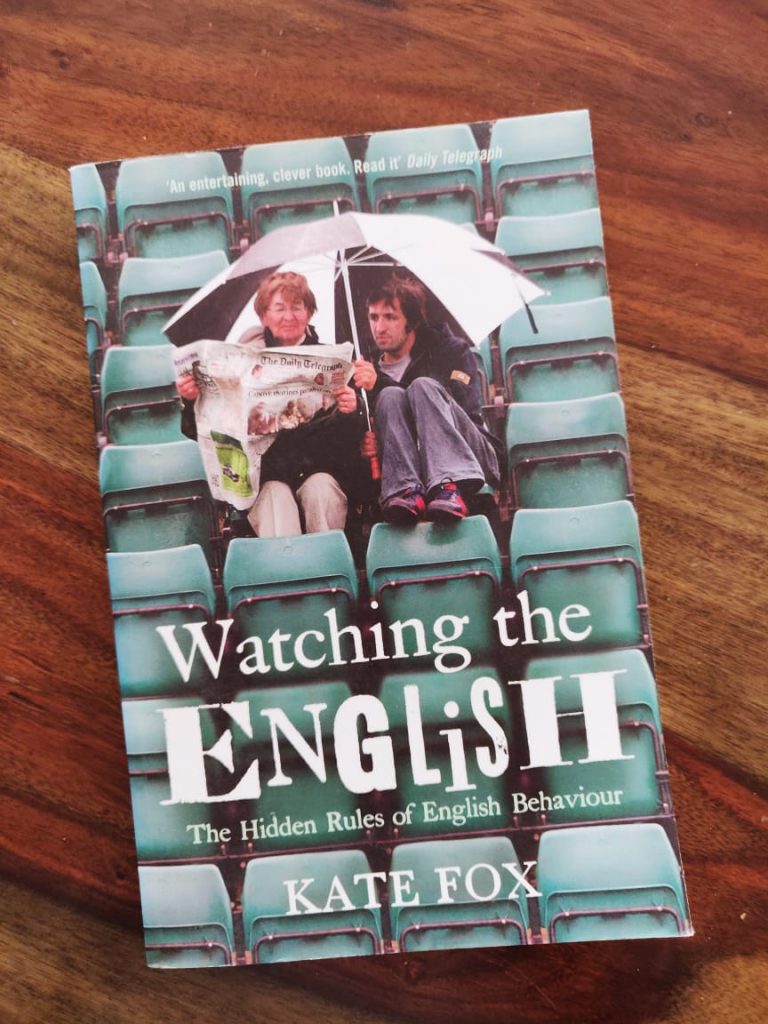
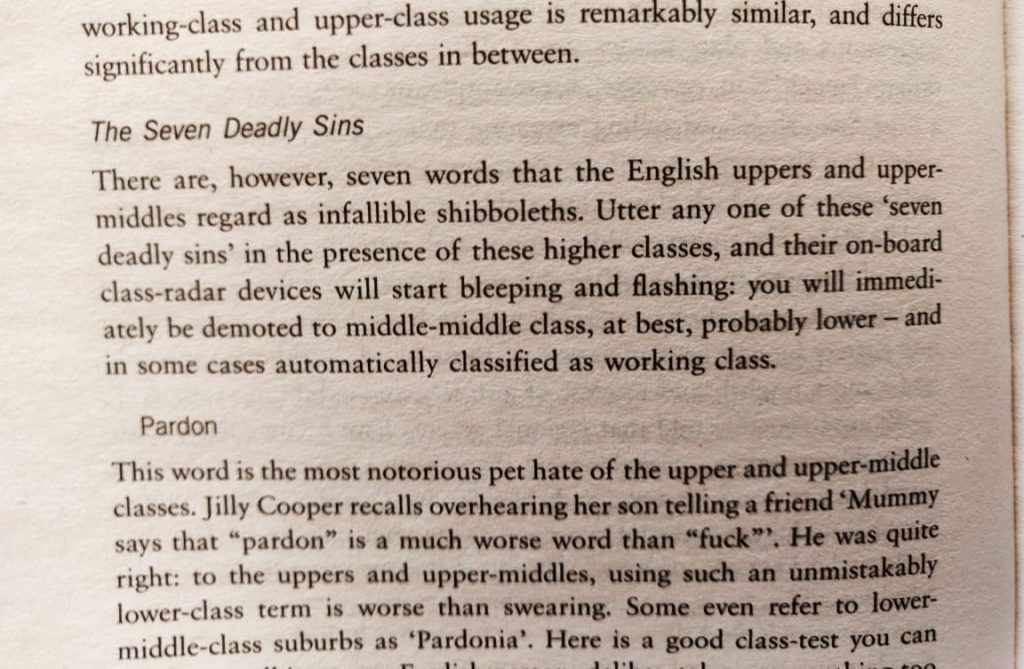
If you have been thinking the Indian caste system is some kind of a wierd arrangement, wait till you grab this book. The contemporary English society is hardly any different. Their class system is equally weird if not a bit more amusing for a foreign observer.
A good friend who is a European living in UK recommended this book to me after we were exchanging our views on how confusing the English etiquette was. I never guessed the innocent gnomes placed in pretty little road-side home gardens screamed out a particular class. Who would have thought!
Interesting read.
Writing Tips and Tricks #001
Would you believe that there exists only seven stories in the whole of mankind?
Well, that’s what Christopher Booker says in his famous book called ‘The Seven Basic Plots: Why we tell stories.’
The plots he describes are
Think of the latest book that you read and check if it fits into anyone one of these categories.
Did you know that Shakespeare wrote every one of his plays on borrowed plots? Nope, no original plot there.
Then what makes a story original?
Narration, my friend, is the litmus test of original work. Narration can make or break the impact of a good story. Though an art, good narration is also a science that can be taught and learnt.
Watch this space for weekly tips and tricks on how to narrate a story.
Subscribe to my email list to get it delivered to your inbox.
Until then 🤩👋.
